
A methodology for turning a goal into action.
A Japanese self-direction system that connects a meaningful goal with purpose, analysis, actions, routines, and continuous improvement.
The goal is not only to reach an objective. It is to develop the capacity to build it.
The Harada Method was developed in Japan by Takashi Harada as a system for building self-direction and turning important objectives into concrete, sustainable behaviors. Instead of relying only on motivation or intention, the method connects five stages.
Goal → Purpose → Analysis → Action → Implementation
01 · Goal
Define what you want to achieve.
02 · Purpose
Understand why it matters.
03 · Analysis
Recognize strengths, conditions, and obstacles.
04 · Action
Turn direction into concrete decisions and behaviors.
05 · Implementation
Practice, observe evidence, and improve continuously.
The OW64 is a tool within the method, not the whole method.
Many people know the Harada Method through its Open Window 64: a tool that starts from a goal and helps expand the possibilities for action around it.
But building the map is only part of the process. The Harada Method also works on purpose, analysis, routines, tracking, and reflection.
1 goal
8 supporting areas
64 actions or possibilities
Shohei Ohtani: turning an aspiration into concrete behaviors.
During his high school years in Japan, Shohei Ohtani used the structured approach of the Harada Method to work on his aspiration of becoming a number one draft pick.
His map included areas related not only to athletic performance, but also to physical condition, mental strength, character, and personal behaviors.
Among the public actions associated with that exercise are practices such as caring for his environment, picking up litter, respecting umpires, and becoming someone others would want to support.
What stands out is not filling in 64 boxes. It is turning a future aspiration into behaviors he could practice today.
Shohei Ohtani is not affiliated with Focus Academy and does not endorse its programs. His case is presented solely as a public example of the Harada Method in use.

A system for thinking, acting, and learning.
33 Questions
To observe the starting point and the current level of self-direction.
Long-Term Goal Form
To build a long-term goal connected with purpose and action.
OW64
To expand a goal into areas and concrete possibilities for action.
Routine Check Sheet
To turn important behaviors into observable practices.
Daily Diary
To plan, record evidence, reflect, and adjust.
The Harada Method is the foundation. The application depends on the context.
Focus Academy uses the Harada Method as its primary methodology and integrates it, where it makes sense, with work on strengths, values, beliefs, blind spots, a personal definition of success, and continuity cycles.
Individuals
Work on a meaningful goal while developing greater capacity for self-direction.
Explore the Self-Direction ProgramCompanies
Apply self-direction, execution discipline, and reflection to real business priorities.
Explore applications for companiesSchools & athletes
Adapt the principles of goal, practice, behavior, and reflection to educational or sports contexts.
Schools and athletes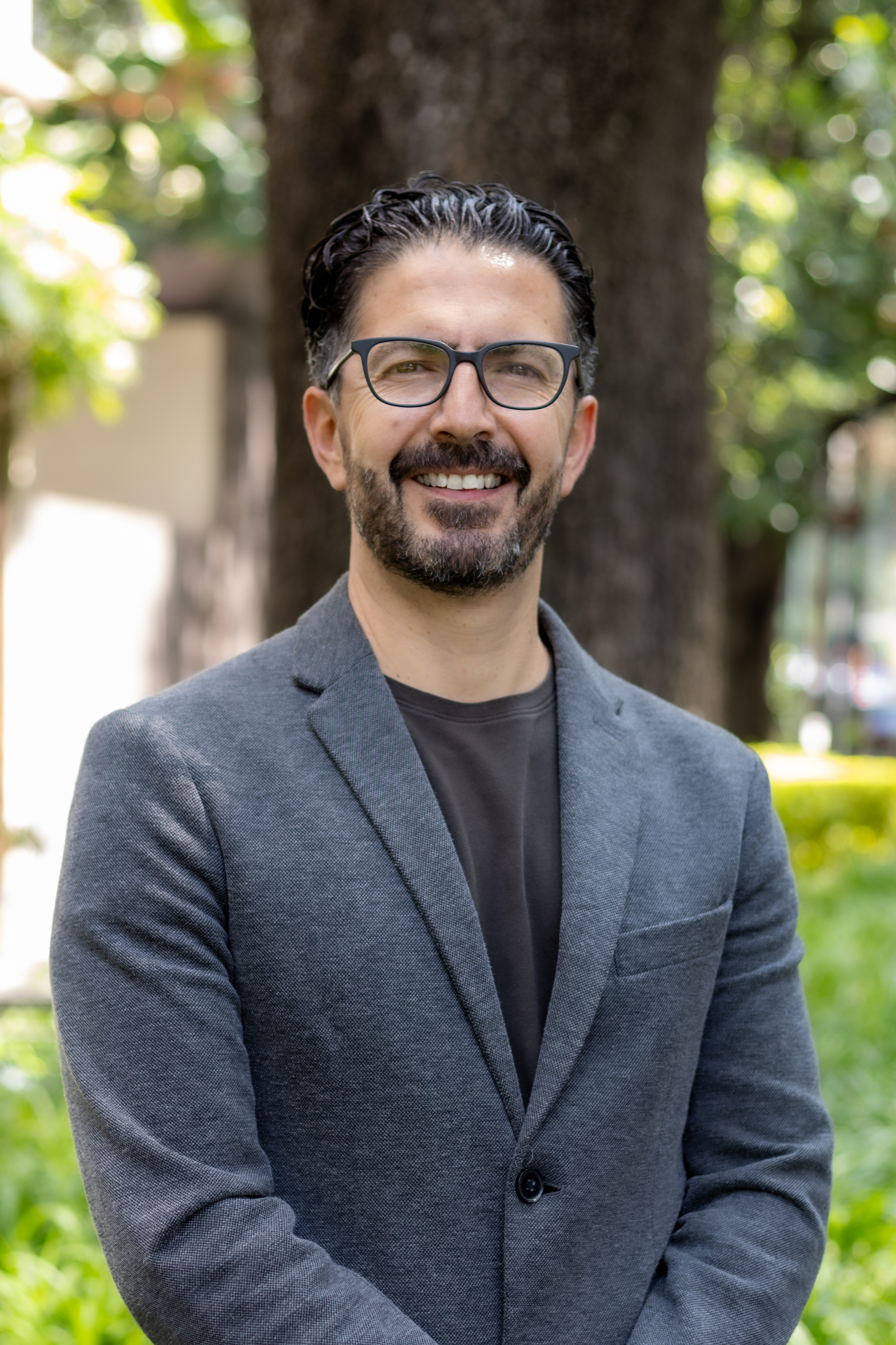
Learning the method is different from applying it alone.
Carlos Barclay
Certified Harada Method Coach
Carlos combines more than two decades of professional experience in operations, procurement, supply chain, and leadership with his work in human development and self-direction through the Harada Method.
With methodological support from George Trachilis.
A methodology makes sense when it is applied to a real goal.
See how Focus Academy uses the Harada Method inside a guided 12-week process.